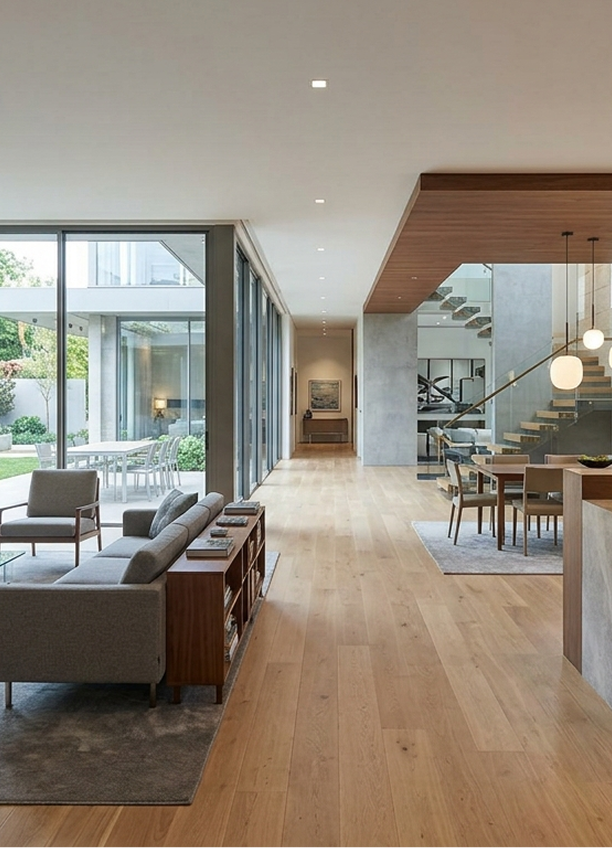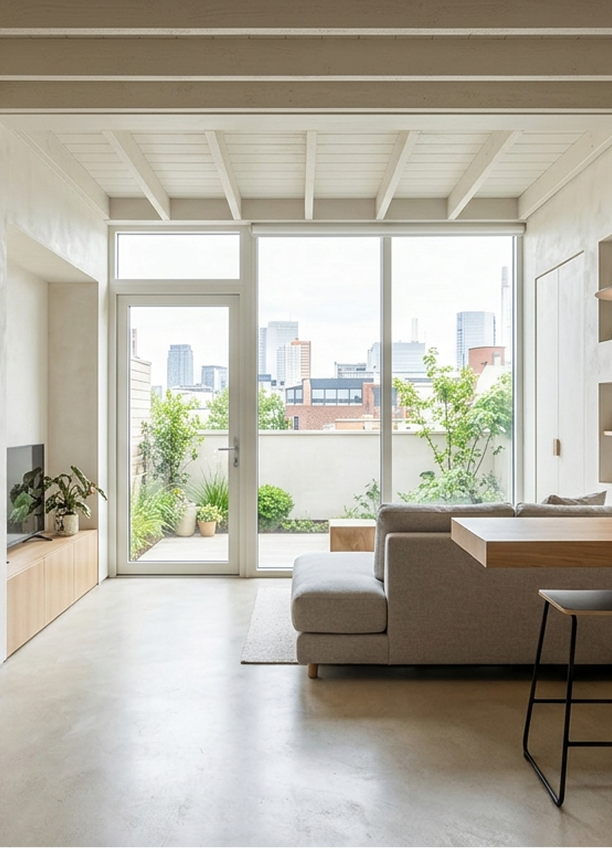
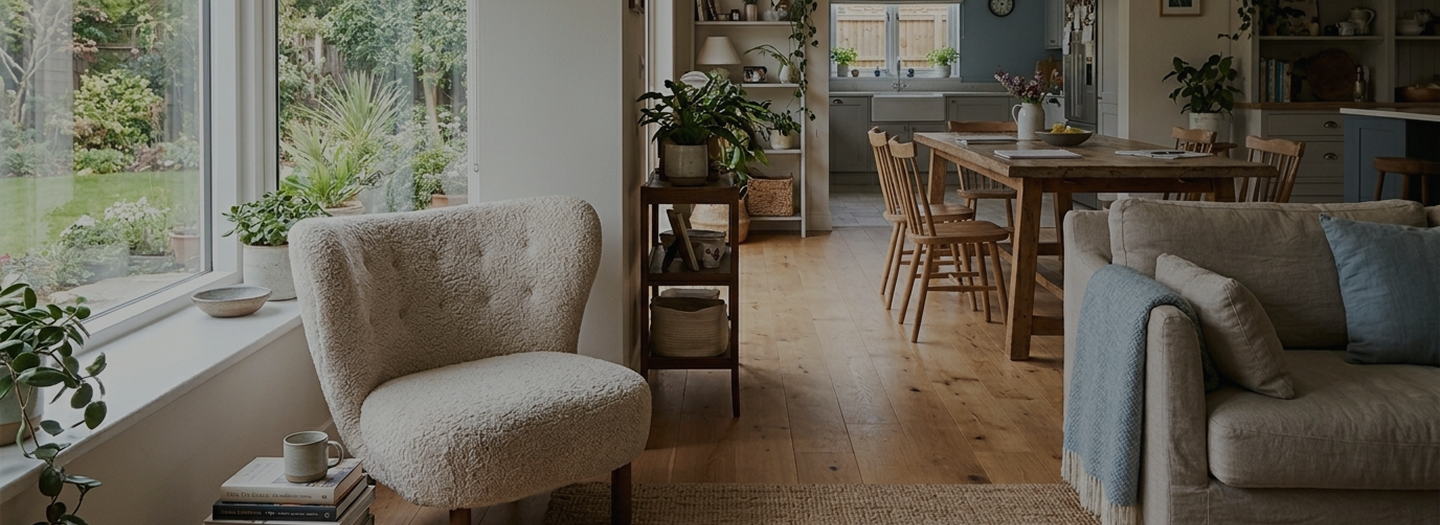
For many years, interior design was largely evaluated through aesthetics. A successful space was often described as beautiful, luxurious, or visually impressive.
Today, the conversation is changing.
People are increasingly seeking homes that support how they live, think, work, rest, and connect. The focus is shifting from appearance alone to experience.
This evolution has given rise to a more emotion-led approach to interior design.
Beyond Visual Appeal
A space can be visually stunning and still feel uncomfortable to inhabit.
Design decisions that prioritise appearance without considering daily routines often struggle to support real life. Over time, people begin to notice how a space functions far more than how it photographs.
Emotion-led design begins by understanding the people who will use the space rather than the trends shaping the industry.
The goal is not simply to create visual impact but to create environments that feel natural and intuitive.
Designing Around Everyday Rituals
The most meaningful spaces often emerge from small daily habits.
Morning coffee by a window. Family conversations around a dining table. Quiet reading corners. Evening routines that help transition from work to rest.
These moments may seem ordinary, yet they often become the foundation of how a home is experienced.
When design supports these rituals, spaces begin to feel personal rather than generic.
The Relationship Between Space and Wellbeing
Our surroundings influence our emotional state more than we often realise.
Natural light, visual openness, material warmth, acoustic comfort, and spatial balance all contribute to how relaxed or stimulated we feel within a space.
This is one reason why wellness-focused interiors have become increasingly relevant. Rather than adding features solely for appearance, designers are considering how environments affect everyday wellbeing.
Creating Spaces That Feel Authentic
Emotion-led interiors do not rely on excess.
Instead, they focus on clarity, proportion, and personal relevance. The objective is not to fill every surface but to create an environment that reflects the people living within it.
This often results in spaces that feel quieter, more grounded, and more enduring.
Why This Shift Matters
As lifestyles continue to evolve, homes are expected to support a wider range of activities than ever before.
They are places for work, rest, social interaction, creativity, and personal reflection. Designing solely for visual appeal is no longer enough.
Emotion-led design acknowledges this complexity and responds with greater sensitivity to everyday experience.
Conclusion
The future of interior design is not only about what spaces look like. It is about how they make people feel.
By prioritising experience, comfort, and emotional connection, interiors become more than functional environments. They become places that support life in a meaningful and lasting way.