When people imagine interior design, they often think of furniture, lighting fixtures, or decorative objects. While these elements certainly contribute to a space, the overall experience of an interior is often shaped much earlier through its material palette.
The walls we touch, the floors we walk on, the textures we encounter every day quietly influence how a space feels long before furniture enters the picture.
Material choices are not simply aesthetic decisions. They define atmosphere, comfort, longevity, and emotional connection.
Materials Shape First Impressions
Every material carries its own visual weight and character.
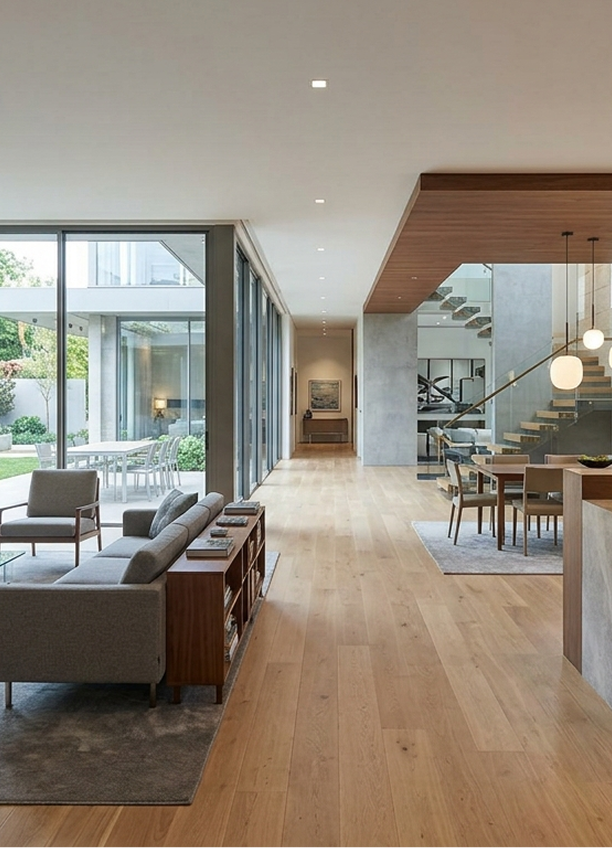
Natural stone feels different from polished laminate. Lime-wash walls create a different atmosphere than high-gloss paint. Warm timber introduces a sense of softness that metal alone cannot achieve.
These subtle impressions are often felt instinctively rather than consciously.
When materials are selected with intention, a space begins to communicate a clear sense of identity from the moment someone enters.
Texture Creates Depth
Many interiors rely heavily on color to create visual interest. While color certainly plays a role, texture often has a greater impact on how a space is experienced over time.
Layered materials create richness without visual clutter.
Natural wood grains, handcrafted surfaces, woven elements, textured stone, and tactile finishes introduce variation that feels quiet and enduring rather than decorative.
This depth allows spaces to feel complete without depending on excessive ornamentation.
Materials Influence Mood
The emotional quality of a space is closely connected to its material composition.
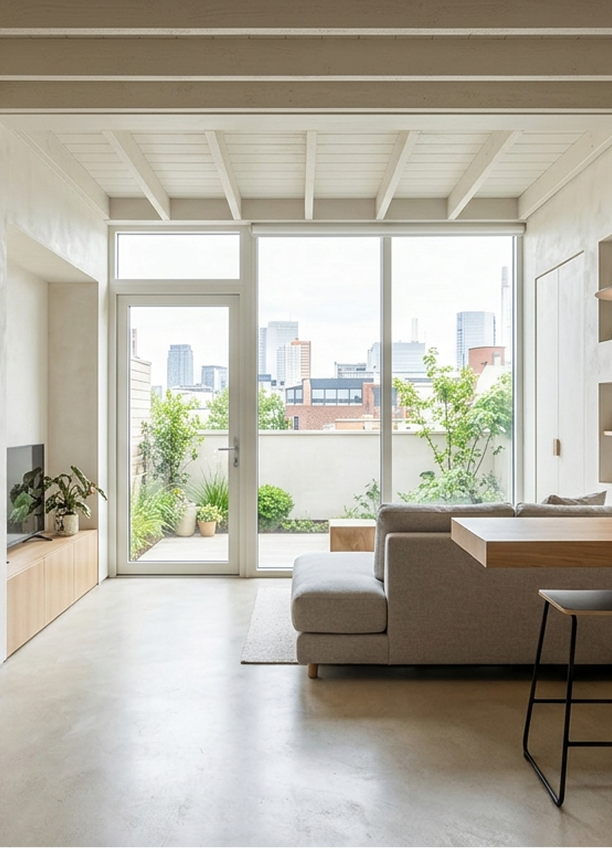
Soft, natural finishes tend to create a sense of calm. Warm materials often make spaces feel welcoming and familiar. Cooler surfaces can bring clarity and restraint when used thoughtfully.
This relationship between material and emotion becomes particularly important in homes, where spaces are experienced daily rather than occasionally.
Good material selection supports how people want to feel within a space.
Designing for Longevity
Trends change quickly. Materials often remain.
Selecting timeless finishes allows interiors to age gracefully while maintaining relevance over the years. Rather than following short-lived design movements, many contemporary homes benefit from a restrained palette that prioritises durability and authenticity.
Well-chosen materials continue to reveal character through use rather than losing appeal over time.
Material Consistency Creates Cohesion
One of the simplest ways to create a cohesive interior is through a carefully considered material language.
When finishes relate naturally to one another, spaces feel connected even when functions differ. This continuity creates visual clarity and allows the architecture itself to take precedence.
The result is a home that feels balanced rather than overly designed.
Conclusion
Furniture may define how a space functions, but materials define how it feels.
The surfaces, textures, and finishes that surround us every day quietly shape our experience of a home. When selected with care, materials create spaces that feel grounded, enduring, and deeply connected to the people who inhabit them.