Retail spaces today are no longer designed only for transactions. Increasingly, they are being shaped around interaction, atmosphere, and memory.
Customers do not simply purchase products anymore. They experience brands through space, movement, lighting, material, and emotion.
This shift has made retail interior design an important part of how people connect with a brand.
First Impressions Shape Perception
The experience of a retail space begins before a customer enters.
The facade, lighting, material palette, and storefront displays all contribute to how the brand is perceived within seconds. A strong first impression creates curiosity and encourages engagement.
Whether minimal or expressive, the entrance should communicate the brand’s identity clearly without overwhelming the visitor.
Layout Influences Movement
Good retail design guides movement naturally.
Customers should feel encouraged to explore without confusion or visual fatigue. Clear pathways, balanced product displays, and carefully planned focal points help create rhythm throughout the space.
Even compact retail environments can feel spacious when movement is intuitive and visually uninterrupted.
Sensory Experience Matters
Retail environments are experienced physically, not only visually.
Lighting warmth, textures, sound, scent, and spatial openness all influence how comfortable people feel within a store. These subtle details affect how long customers stay and how they emotionally respond to the environment.
Spaces that feel calm and welcoming often create stronger engagement than those designed purely for visual impact.
Product Display Is Part of Storytelling
The way products are presented changes how they are valued.
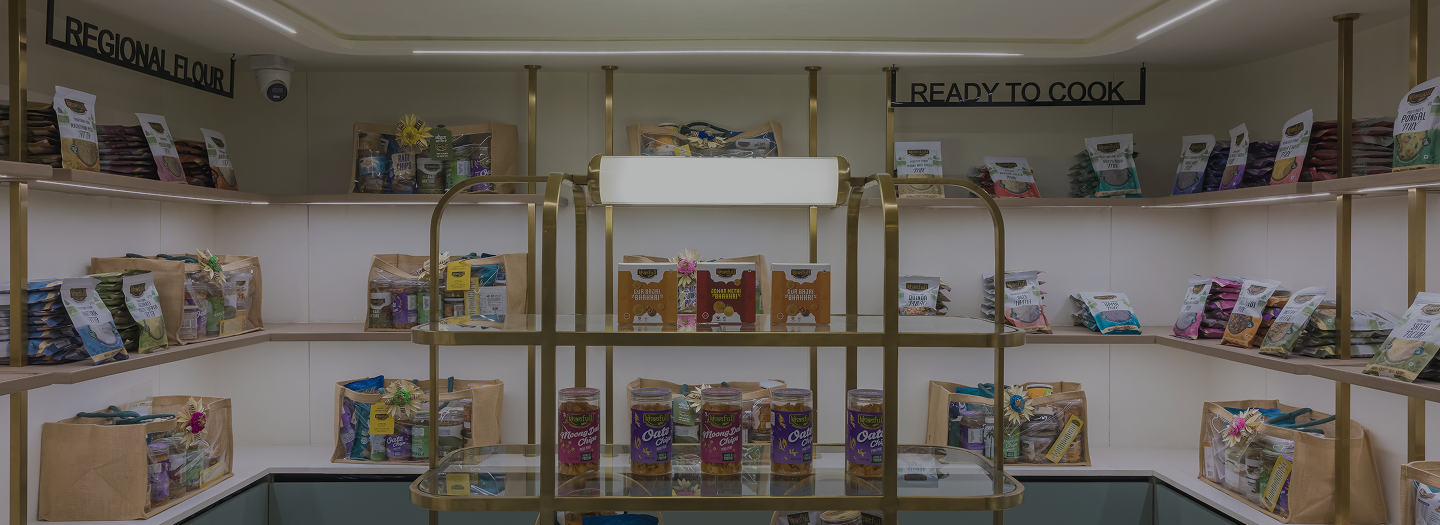
Layered shelving, curated displays, material contrast, and lighting can elevate even everyday products by creating context around them. Retail interiors should allow products to feel intentional rather than overcrowded.
Thoughtful presentation helps customers slow down, observe, and interact more meaningfully with the brand.
Balancing Function and Identity
Retail spaces must perform efficiently while still feeling distinctive.
Storage, circulation, display systems, and customer interaction zones all need practical clarity. At the same time, the space should maintain a strong visual identity that customers remember beyond the visit itself.
The most successful retail interiors achieve this balance quietly, without relying on excess.
The Future of Retail Spaces
As online shopping continues to grow, physical retail spaces are becoming more experiential.
People now visit stores not only to purchase, but to connect, explore, and spend time within an environment. This is why atmosphere and emotional resonance are becoming increasingly important in retail design.
A well-designed retail space creates familiarity, comfort, and lasting recall.
Conclusion
Retail design shapes far more than aesthetics. It influences movement, perception, interaction, and emotional connection.
When thoughtfully designed, a retail environment becomes an extension of the brand itself, creating experiences that customers remember long after they leave the space.