Smaller spaces often come with larger expectations. Homes, retail environments, and workspaces today are expected to feel functional, comfortable, visually open, and emotionally calming regardless of their size.
Designing compact interiors is not about fitting more into less. It is about creating clarity within limitations.
When approached thoughtfully, smaller spaces can feel just as layered, intentional, and comfortable as larger ones.
Openness Begins With Planning
One of the most common mistakes in compact interiors is over-dividing the layout. Excessive partitions, bulky furniture, and disconnected zones can make spaces feel visually heavy very quickly.
A better approach focuses on continuity.
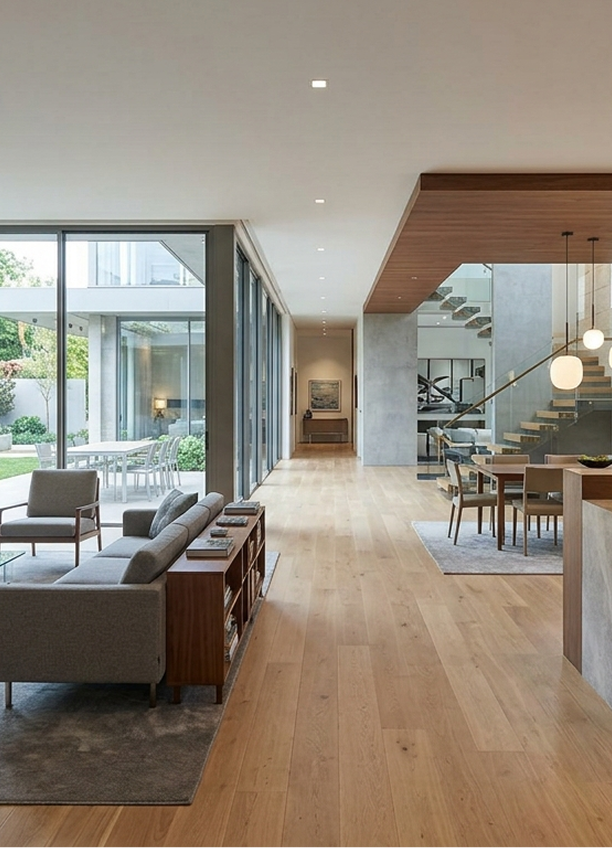
Allowing spaces to visually connect through aligned materials, uninterrupted sightlines, and consistent tones helps create a stronger sense of openness. Even within clearly defined zones, the home or retail environment should feel visually cohesive.
The goal is not to remove structure entirely, but to reduce unnecessary visual interruption.
The Importance of Visual Volume
Perception plays a major role in how spacious an interior feels.
Lower ceilings or tighter floor plates can often feel restrictive when every surface is heavily treated or concealed. In many modern interiors, exposing ceilings, maintaining cleaner lines, or introducing lighter finishes can help create visual breathing room.
Natural light also contributes significantly to spatial perception. Spaces that allow light to travel freely tend to feel larger, softer, and more balanced.
Multi-Functional Design Creates Flexibility
Compact spaces perform best when elements serve multiple purposes.
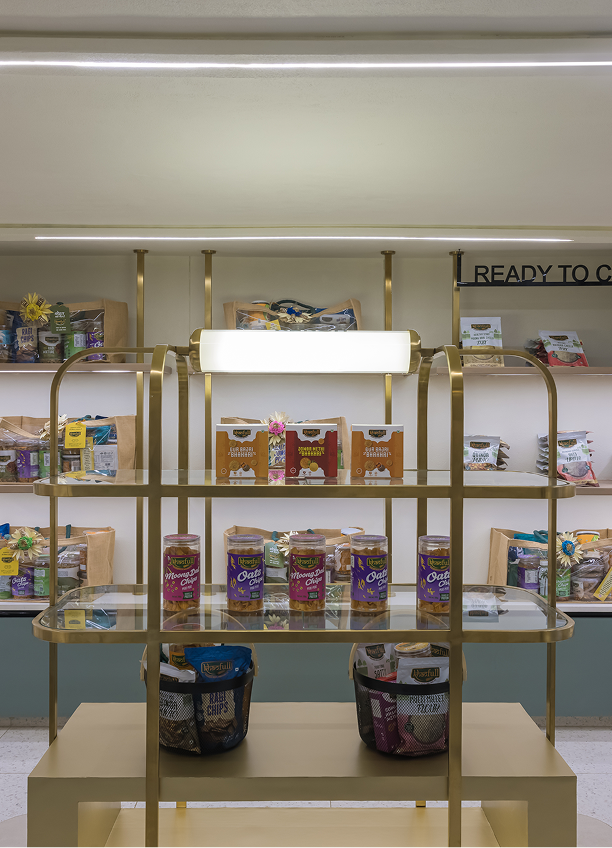
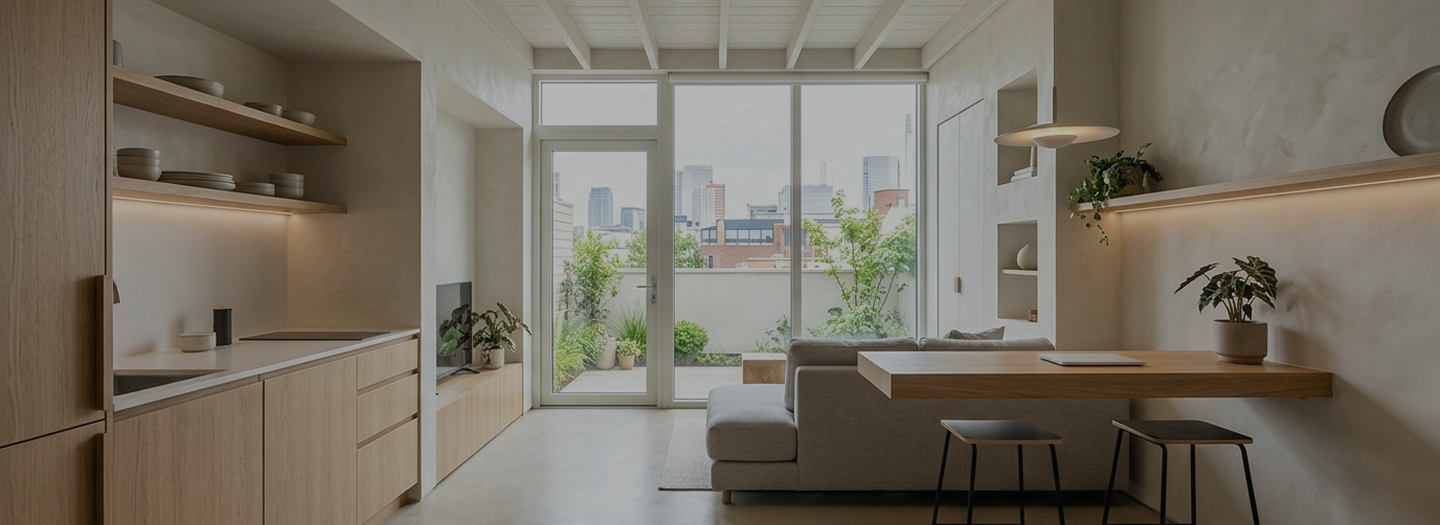
Integrated storage, floating furniture, adaptable counters, and layered seating arrangements help reduce visual clutter while improving usability. This becomes especially important in apartments and retail spaces where every square foot matters.
Well-designed compact interiors avoid unnecessary elements and focus instead on what genuinely improves everyday use.
Material Choices Matter More in Smaller Spaces
In compact interiors, materials become more noticeable because they are experienced at a closer range.
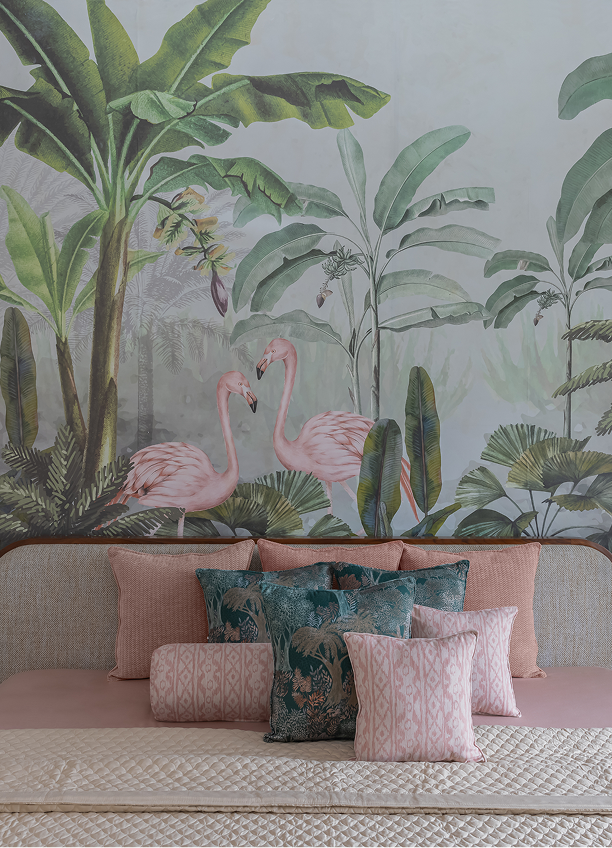
A restrained palette often creates a stronger impact than excessive variation. Warm woods, tactile surfaces, lime-wash textures, muted stone finishes, and soft lighting can make smaller environments feel calm rather than compressed.
Texture adds depth without overcrowding the space visually.
Designing for Experience, Not Size
A space does not need to feel large to feel luxurious.
Comfort often comes from proportion, lighting, movement, and emotional ease rather than scale alone. Smaller spaces that feel intuitive and well-resolved tend to create a stronger sense of connection than oversized environments with little clarity.
This shift in perspective is changing the way contemporary interiors are approached today.
Conclusion
Compact interiors require discipline, restraint, and careful planning. When every decision is intentional, smaller spaces begin to feel more open, functional, and deeply considered.
Good design does not depend on square footage. It depends on how thoughtfully a space responds to the people using it every day.