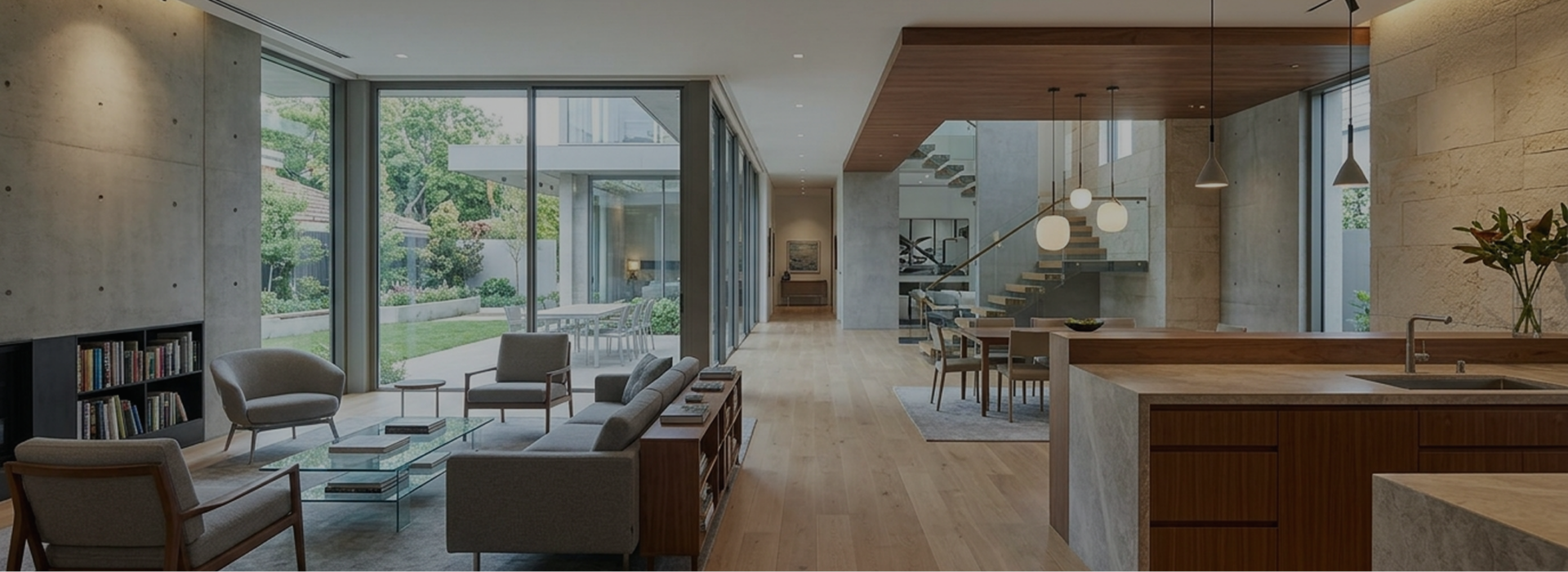
Open layouts are often associated with modern living, but spatial flow goes beyond removing walls or creating larger rooms. It is about how a space guides movement, interaction, light, and everyday experience without feeling forced or disconnected.
In residential interior design today, the way spaces connect matters just as much as how they look individually. A home may be visually beautiful, but if movement feels interrupted or spaces feel isolated, the experience becomes fragmented over time.
Moving Beyond Rigid Layouts
Traditional layouts tend to divide functions very clearly. Living rooms remain separate from dining areas, corridors become transition zones, and rooms often operate independently from one another.
While this creates structure, it can also reduce openness and flexibility within a home.
A more fluid approach allows spaces to gently unfold into one another. Instead of relying on heavy partitions, subtle zoning techniques such as lighting, furniture placement, ceiling variations, or material transitions can create distinction without visual interruption.
The result is a home that feels lighter, more connected, and easier to inhabit.
How Light Influences Spatial Experience
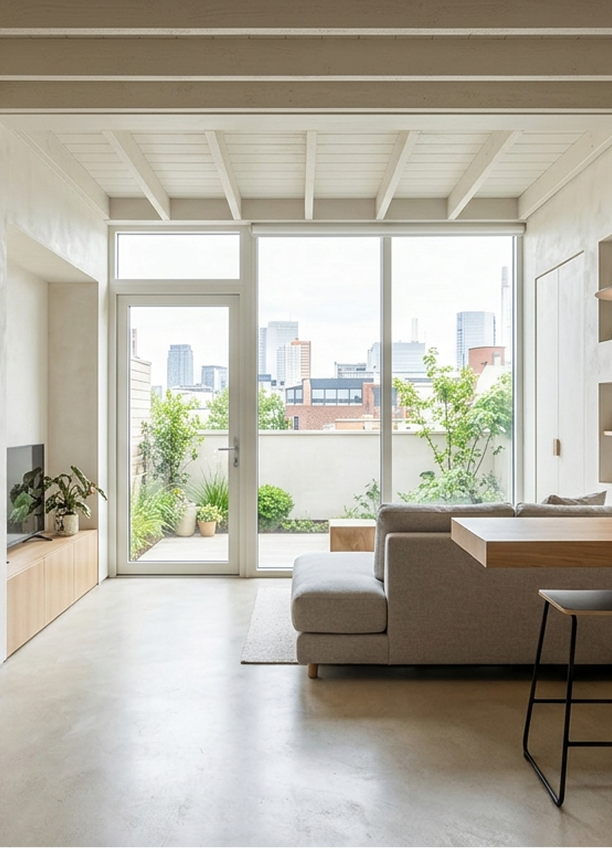
Natural light plays a significant role in how spacious a home feels. When sightlines remain uninterrupted, light travels more freely across the interior, making even compact spaces appear open and balanced.
This is especially important in urban apartments where structural limitations and lower ceiling heights are common.
Allowing light to move through connected spaces creates a stronger sense of depth and calmness. It also reduces the need for excessive visual elements to create impact.
Designing Privacy Without Isolation
Open planning does not mean eliminating privacy. The challenge lies in creating homes that support togetherness while still allowing moments of retreat.
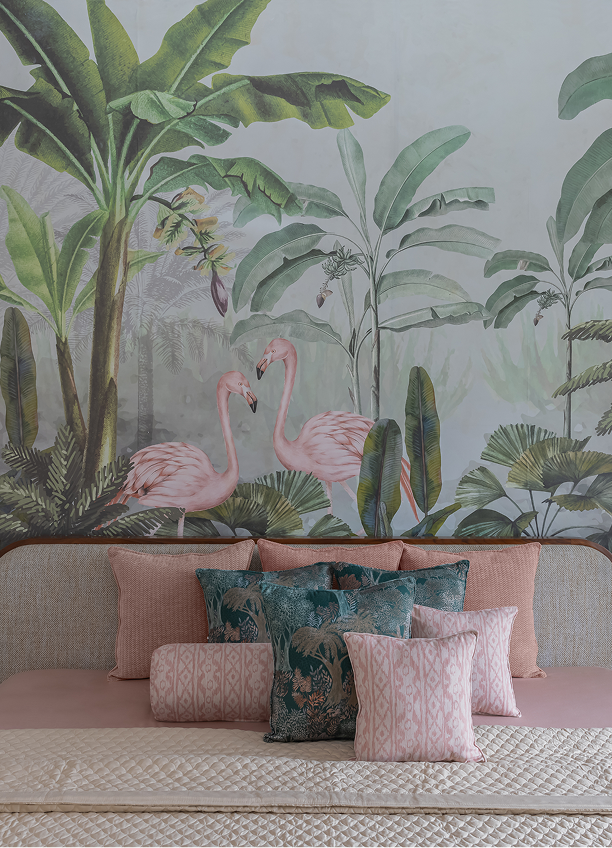
Thoughtful spatial planning can establish quiet transitions between public and private zones. Bedrooms may feel more intimate through softer lighting, material warmth, or subtle thresholds, while shared areas remain open and interactive.
This balance becomes increasingly important for families, where routines overlap throughout the day.
Why Spatial Flow Feels More Luxurious
Luxury is no longer defined only by scale or ornamentation. Increasingly, it is defined by ease.
A well-planned home feels intuitive to move through. There is visual clarity, breathing space, and a natural rhythm between functions. Nothing feels overcrowded or excessive.
When a space allows light, movement, and interaction to happen effortlessly, it creates a quieter and more lasting sense of comfort.
Designing Homes Around Everyday Living
The most successful interiors are not designed around trends alone. They are shaped around how people actually live.
Morning routines, family interactions, moments of pause, and shared experiences all influence how a space should function. Spatial flow allows these everyday patterns to feel natural rather than restricted.
Good design often goes unnoticed in daily life because everything simply feels easier, calmer, and more connected.
Conclusion
Spatial flow is not only an architectural decision. It is an emotional one. The way a home opens, transitions, and responds to everyday life directly shapes how it is experienced over time.
As modern living continues to evolve, homes that prioritise openness, clarity, and connection will continue to feel more relevant, adaptable, and deeply lived in.